
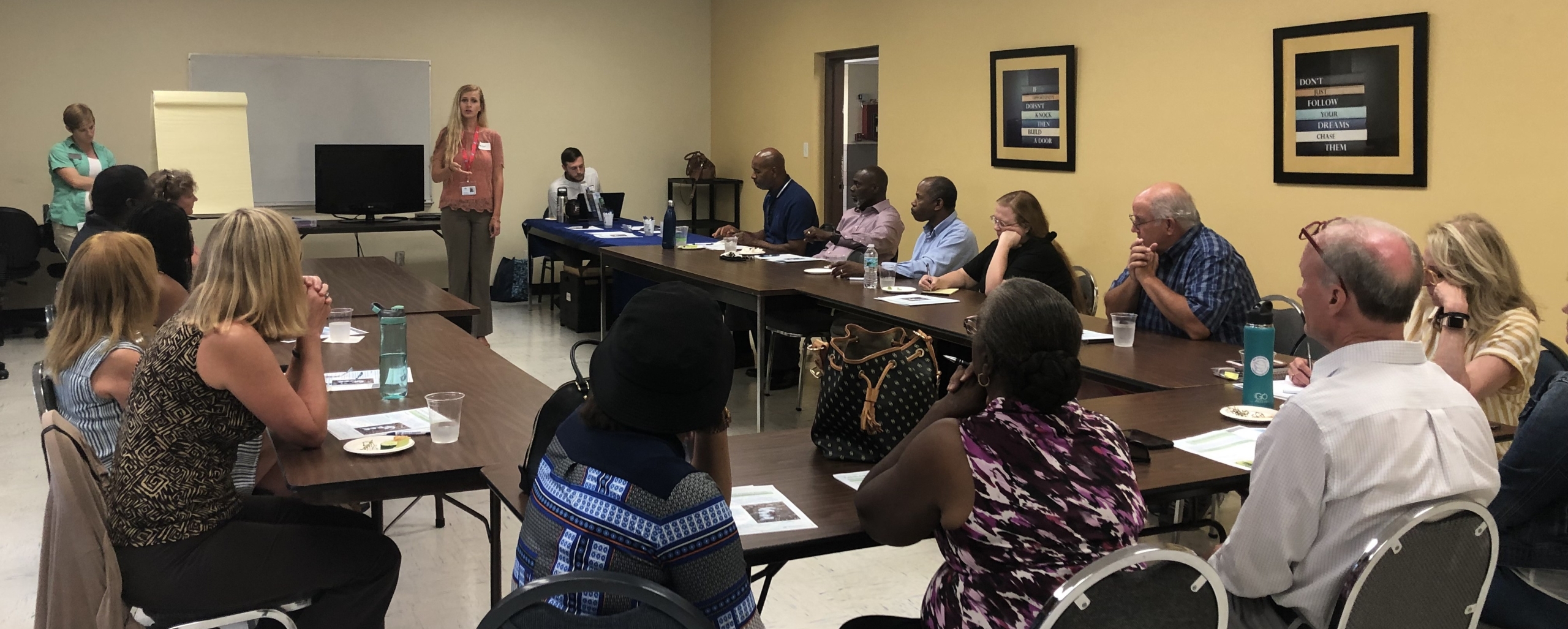
From Talking → Deciding → Acting
A Deliberative Dialogue Forum & Debrief

Why Deliberative Dialogue
Deliberative Dialogue is a structured, facilitated way for people with different experiences to weigh options, consider trade-offs, and identify common ground on complex community challenges. It isn’t a presentation or a debate. It’s not even about reaching agreement. It’s a participant-driven discussion guided by neutral facilitators and an issue guide that frames several reasonable approaches (each with actions and trade-offs). The goal is to move beyond discussions to actions that people can take on their own or together as a community.
What You’ll Experience
Session 1 — The Forum (Oct 14): You’ll join a real Deliberative Dialogue forum (not a simulation). After a brief orientation, you’ll reflect on your personal connection to the issue, work through potential options for addressing the issue, and weigh actions vs. trade-offs in an engaging discussion guided by a trained facilitator and supported by a visible notetaking process.
Session 2 — The Debrief (Oct 16): We’ll unpack what made the forum deliberative (group agreements, facilitation moves, role of the issue guide, visible notes) effective, discuss what worked and what didn’t, and outline how to adapt Deliberative Dialogue in your own courses, research, studios, collaboratives, or community partnerships.
A micro credential will be available to participants who complete both sessions. Details forthcoming.
Who Should Attend
- Graduate students exploring civic engagement, facilitation, applied research, design studios, or stakeholder work
- TN members in collaborative working groups or place-based collaboratives
- Extension and university partners, community practitioners, and anyone interested in dialogue that leads to doable action
Forum Topics (choose three at registration)
- A House Divided (political system & trade-offs)
- Climate Choices (meeting a warming planet)
- Free Speech & the Inclusive Campus
- Immigration (who we welcome & how)
- The Changing World of Work (what to ask of higher ed)
How a Deliberative Dialogue Forum Works
- Welcome & Orientation (purpose, roles, agreements)
- Personal Stake (why the issue matters to you)
- Weigh Options (consider actions and the real trade-offs you’d accept)
- Common Ground & Next Steps (what actions can I take to address the issue?)
- Typical length: 1.5–2 hours; small groups maximize voice equity.
Why Deliberative Dialogue Works
- Deliberation gives people time to weigh actions and the tradeoffs of those actions (what do we give up if we do x) rather than deliberating what is right or wrong based on someone’s opinion.
- Hearing others’ perspectives and values (not just positions) helps everyone understand issues more clearly.
- A neutral facilitator and a tested issue guide keep the discussion focused, fair, and engaging.
Roles You’ll See in Action
- Facilitator (neutral)
- Notetaker (visible notes/“parking lot”)
- Participants (the experts in their own experience)
- Convenor/Host
- Report writer (synthesizes notes & evaluations).
You’ll learn how these roles support a clear, credible process.
Learning Outcomes
By the end, participants will be able to:
- Explain what makes a forum deliberative rather than a town hall/debate.
- Use an issue guide to frame options + trade-offs.
- Describe facilitation strategies that keep participants on topic and encourage participation by everyone.
- Identify best practices for following up with participants after the forum (e.g., meetings, written reports, events, etc.).
Logistics
When: Tue, Oct 14 & Thu, Oct 16, 2025 • 3:00–4:30 PM MT (Zoom link to be shared later)
Access: Auto-captioning enabled; contact us for additional accommodations.
Register Here: (choose 3 topics for Session 1 during registration)
FAQ
Is this a lecture? No. It’s a participant-driven forum with a neutral facilitator and a structured guide.
Will decisions be made? The forum helps participants find common ground and identify actions that address the issue.
What if the topic is contentious? Most topics are contentious! But a trained facilitator can guide deliberative discussions in a way that reduces conflicts among participants.
Webinar Dates
- Tuesday, October 14th (3:00–4:30 PM MT) – Forum
- Thursday, October 16th (3:00–4:30 PM MT) – Debrief
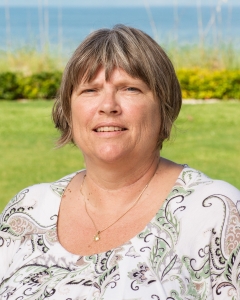
Linda Seals – Facilitator
Community Development Specialist
Contact: Email

Jody Norman – Organizer
Urban Extension Specialist
Contact: Email
This workshop is part of the Transformation Network, a partnership between eight Western U.S. universities with over 100 partner organizations representing Indigenous partners, governmental and non-governmental organizations, public utilities, conservation districts, irrigation districts, and municipalities.
Learn more about the network at: The Transformation Network


