
Built Environment Knowledge and Practice Network
University Extension professionals can play a critical role in fostering a healthy urban built environment by leveraging their expertise in education, outreach, and community development.
Our Built Environment Knowledge and Practice Network (KPN), led by Dan Cronan, is a place where urban-focused Extension, researchers, and practitioners, along with our partners in local government and NGO’s can find productive dialogue, cutting-edge research, and Extension best practices related to the built environment.
Proposed outcomes of the KPN’s work include the creation of a data atlas to illustrate projects and potential possibilities within the built environment. This work supports the development of scalable solutions that reach local, regional, and national levels, driving inclusive engagement and fostering innovation to advance equity and sustainability in the built environment.
Listed below are some of the ways Extension professionals can, or are, contributing to a healthy built environment. If this work inspires you, we encourage you to engage with the Built Environment KPN. Learn how to join our Knowledge and Practice Networks here.
Learn more about NUREC’s Built Environment Initiative here.
Promoting Green Infrastructure and Urban Agriculture
- Community Gardens: Provide technical assistance, resources, and training for establishing and maintaining community gardens on vacant lots, rooftops, and public spaces.
- Green Roofs and Walls: Advocate for and educate stakeholders on the benefits of integrating green roofs and vertical gardens into urban buildings to improve air quality and reduce heat islands.
- Edible Landscaping: Encourage the planting of fruit trees, herbs, and vegetables in public parks, schools, and residential areas to enhance food access and aesthetic appeal.
Supporting Sustainable Urban Planning and Design
- Walkability and Active Living: Partner with urban planners to promote pedestrian-friendly infrastructure, bike lanes, and safe public spaces for physical activity.
- Transit-Oriented Development: Encourage urban designs that prioritize access to public transportation, reducing reliance on cars and improving air quality.
- Smart Growth Principles: Educate communities on zoning policies and development strategies that support compact, mixed-use, and sustainable urban areas.
Addressing Environmental Health Challenges
- Stormwater Management: Provide workshops on creating rain gardens, bioswales, and other green infrastructure to reduce urban flooding and improve water quality.
- Air Quality Improvement: Advocate for urban forestry and vegetation projects that filter pollutants and provide cooling benefits.
- Energy Efficiency: Promote the use of energy-saving building materials, solar panels, and energy-efficient appliances in urban development projects.
Engaging in Community Education and Capacity Building
- Healthy Housing Programs: Educate residents about maintaining safe and healthy homes, including managing mold, lead, and indoor air quality.
- Sustainable Building Practices: Offer training to developers, architects, and contractors on eco-friendly construction techniques and materials.
- Youth and School Programs: Introduce urban environmental education initiatives that teach children about sustainability, urban gardening, and healthy living.
Enhancing Access to Healthy Food and Resources
- Farmers’ Markets and Local Food Systems: Help establish urban farmers’ markets and local food hubs to connect residents with fresh, locally grown produce.
- Food Policy Advocacy: Support the development of urban food policies that prioritize access to healthy, affordable food in underserved neighborhoods.
- Nutrition Education: Provide workshops on cooking and preserving seasonal produce to encourage healthier eating habits.
Advocating for Equitable Urban Development
- Community Engagement: Facilitate dialogues between residents, developers, and policymakers to ensure urban development meets the needs of diverse populations.
- Addressing Disparities: Focus on improving access to green spaces, healthy food, and clean environments in low-income and marginalized communities.
- Grant and Resource Support: Assist communities in securing funding for health-focused urban initiatives, such as park revitalizations and urban farming projects.
Supporting Climate Resilience and Adaptation
- Urban Heat Island Mitigation: Promote strategies like increasing tree canopy coverage and reflective building materials to reduce urban temperatures.
- Disaster Preparedness: Educate communities on building flood-resilient infrastructure and ensuring food security during climate-related disruptions.
- Renewable Energy Integration: Encourage the adoption of solar, wind, and other renewable energy systems in urban settings.
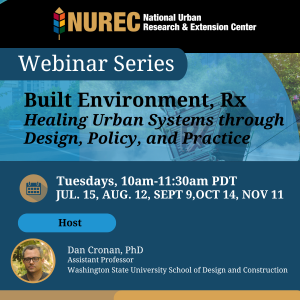
Urban Systems, Shared Futures: Building Consensus for Structural and Policy Change in the Built Environment
Overview
Living Systems, Built Solutions was a five-part webinar series (June–November 2025) and publication invitation that brings together researchers, planners, designers, engineers, Extension professionals, and community leaders to explore how living systems (such as water, vegetation, and soil) can shape a more resilient and equitable urban future.
Each monthly session highlighted interdisciplinary approaches to green infrastructure and urban design, bridging science and practice through case studies, applied research, and community-engaged strategies. Topics included bioretention systems, building-integrated agriculture, climate-ready infrastructure, policy innovation, participatory design, and digital planning tools.
This series also served as a structured inquiry: How well are our built systems functioning? What barriers persist? And how can we work across sectors to co-create structural and policy solutions?
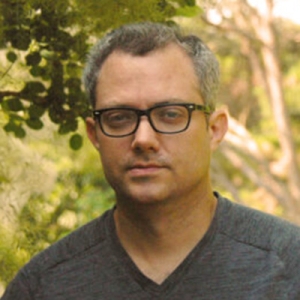
Dan Cronan
Built Environment KPN Lead
Email: click to contact


